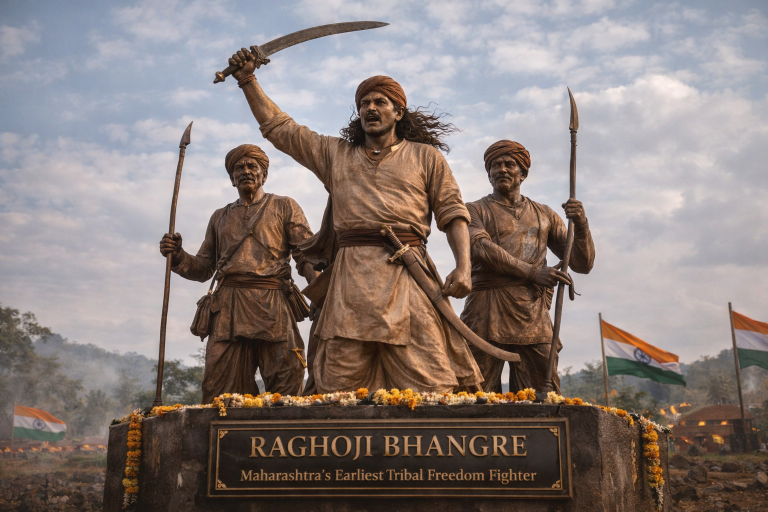
Raghoji Bhangre represents the inseparable bond between tribal communities and their land, forests, and traditions.
His legacy embodies
Protection of ancestral territories
He stood as a guardian of the land, defending ancestral territories from exploitation and displacement.His struggle symbolized the sacred bond between the people and their homeland.
Respect for nature and sacred landscapes
He upheld the tribal belief that forests, hills, and rivers are not resources but living heritage.His resistance was also a fight to protect sacred landscapes central to indigenous identity.
Preservation of indigenous culture
He fought to safeguard traditions, customs, and ways of life threatened by colonial rule.
His legacy continues to inspire pride in indigenous culture and heritage.
Collective unity against external domination
He united communities to resist forces that sought to divide and control them.
His leadership showed that unity was the strongest weapon against oppression.
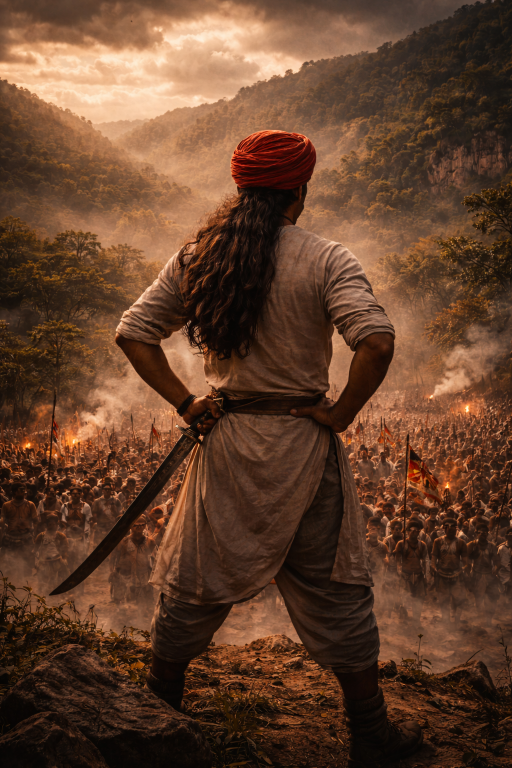
Legacy of a Tribal Revolutionary
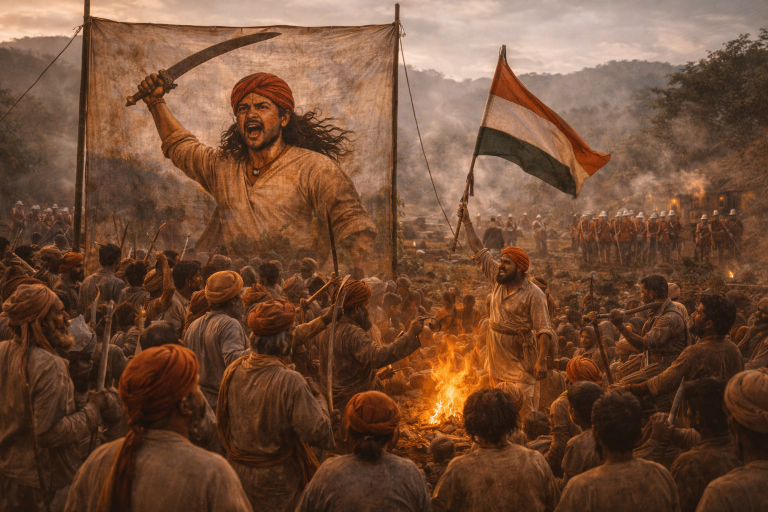
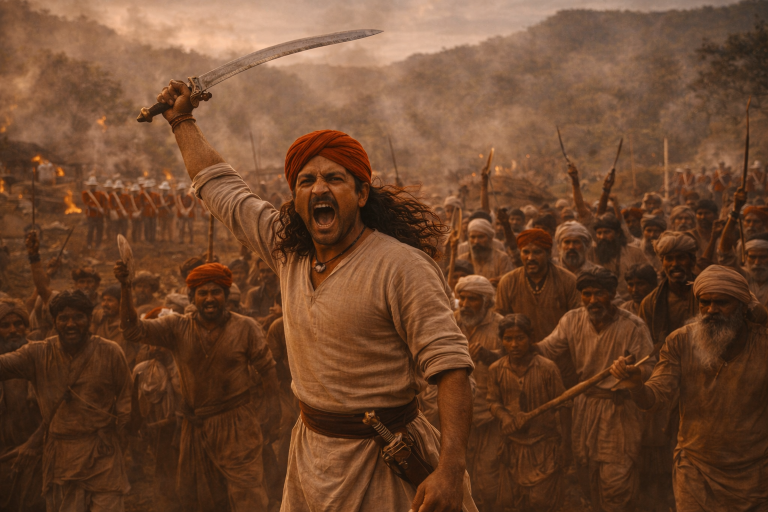
Though his life was marked by struggle and sacrifice, his legacy transcends time. He remains a symbol of courage for indigenous communities and a reminder of the early tribal resistance against colonial oppression in India.
Folk Memory & Oral Traditions
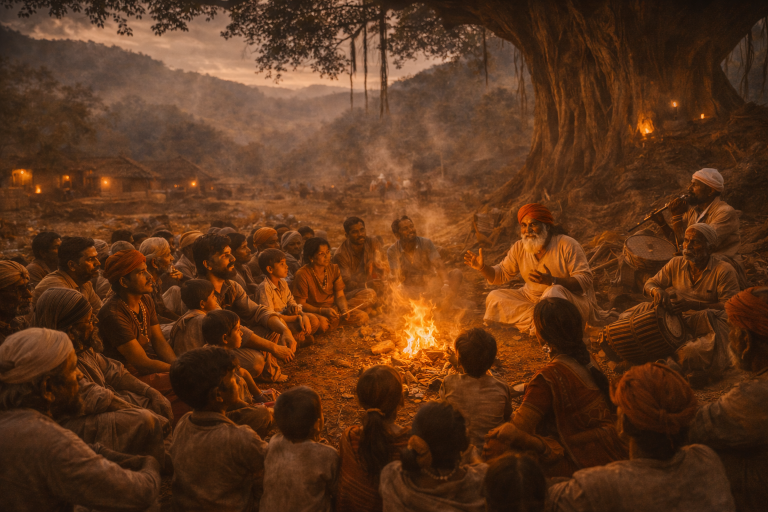
Across the Sahyadri region, the memory of Raghoji Bhangre survives through songs, folklore, and storytelling traditions passed down through generations. Elders recount tales of his bravery, wisdom, and deep connection to the land.
Recognition In History
For many years, tribal revolts remained underrepresented in mainstream historical narratives. Today, scholars and historians increasingly acknowledge Raghoji Bhangre as one of the earliest tribal freedom fighters in Maharashtra.
Modern Relevance
Tribal Land Rights
He symbolizes the enduring struggle of tribal communities to protect ancestral lands from displacement and exploitation.
Forest Conservation
His legacy reflects the deep connection between indigenous people and forests as sacred sources of life.
Indigenous Self-Determination
He represents the right of tribal communities to govern themselves and preserve their traditional ways of life.
Social Justice and Equality
His story stands as a call for dignity, fairness, and equal rights for marginalized indigenous populations.